
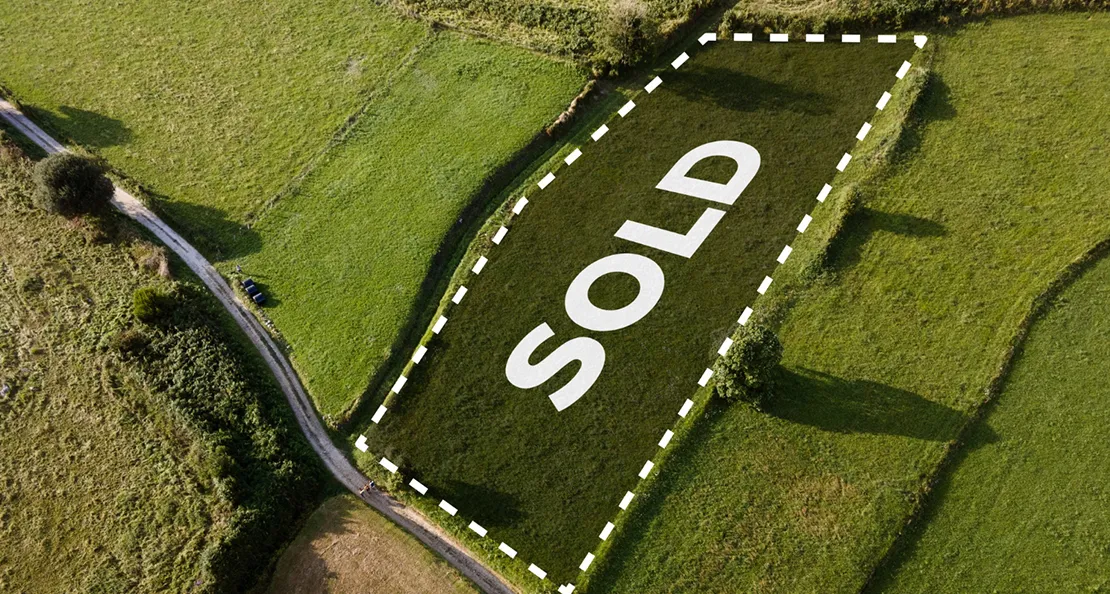
Imagine Baraka, a pharmacist in Toronto. He bought a beautiful plot on the slopes outside Arusha, with a view of Mount Meru, arranged by a family friend. He saw it on video. He paid. He felt proud.
Two years later, the foundations were in. Then a family he had never met arrived at the site with their own papers, and a claim that the land had been theirs since their grandfather’s time. The building stopped. The lawyers started. The view of Meru was still there, but the joy was gone.
Baraka’s story is not rare. And it is almost always preventable.
Know what you are buying
In Tanzania, land is held as a right of occupancy rather than owned outright. Know which kind of plot is in front of you:
- Surveyed land with a title, recorded at the land registry. The strongest and easiest to check.
- Village land, held under customary rights. Possible, but it needs more care and the right local approvals.
- Unsurveyed land with only a sale letter. The riskiest. A handwritten agreement witnessed by neighbours is not a title.
Six checks before a single shilling
- Search the registry. A licensed advocate confirms who holds the title, and whether any mortgage, caveat or dispute is recorded against it.
- Walk the boundaries. A licensed surveyor finds the beacons and confirms the plot on paper is the plot on the ground.
- Ask the local leaders. Street and village leaders often know about family disputes and double sales long before a court does.
- Check the land use. Make sure the plot is zoned for what you want: a home, apartments or a lodge.
- Check what is owed. Unpaid land rent or taxes can follow the plot to the new owner.
- Sign it properly. An advocate prepares the agreement, the transfer is registered in your name, and the fees and taxes are paid on record.
If you hold another citizenship
The rules on holding land are different for Tanzanians who have taken another citizenship, and they have been under review. Do not use a relative’s name as a shortcut. Speak to an advocate about your current position before you buy.
The other ending
Now imagine Baraka again. Before he pays, Lango’s surveyor walks the plot and finds the beacons. Our advocate searches the registry. The street chairman mentions, over tea, that the plot is part of an old family dispute. Baraka walks away from that plot, a little disappointed, with every shilling still in his account. Three months later, he buys a clean plot two kilometres away. Today, his house is rising, and he sleeps well.
At Lango, every project starts with the ground. Nothing is spent on a plot until its title is clean.
Frequently asked questions
How do I check if land in Tanzania is genuine? A licensed advocate searches the land registry, a licensed surveyor confirms the beacons on the ground, and local leaders are asked about any dispute, all before any money is paid.
Can Tanzanians with another citizenship own land in Tanzania? The rules are different and have been under review. Speak to an advocate about your current position before you buy.
Next step: send us your plot details on WhatsApp, +255 783 061 448, and we will tell you exactly which checks it needs.
Read next: The House That Stopped at the Windows · The Cheapest Quote Is Rarely the Cheapest House